













Do you know that on the global market your organs have a price? Illegal organ transplants is a global billion dollar business. Jeslyn Huynh and Ronald Burnett is combating this epidemic with education and awareness efforts. The two gathered San Jac’s community on the North campus with the goal of sharing pertinent information about organ trafficking.
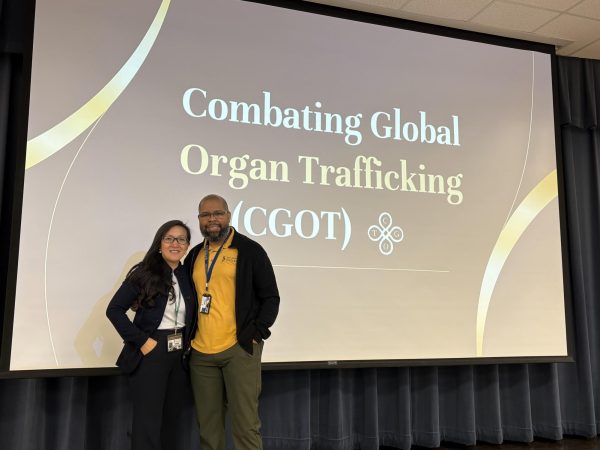
The event brought together experts to talk about the realities of organ trafficking. Featured speakers included Jeslyn Huynh, Ph.D., Ronald Burnett, Ph.D, and representatives from the San Jacinto College Police Department.
Huynh, a professor, advisor, and researcher, has spent over a decade in education and advocacy. She is the founder of the Combating Global Organ Trafficking (CGOT) organization, which supports victims and raises awareness nationwide. Burnett is a Texas educator with more than 25 years of experience and serves on CGOT’s advisory board while also focusing on education-based prevention efforts.
Organizers aimed to raise awareness about organ trafficking and how these operations are taking place not only globally but locally as well.
“Organ trafficking is not just a global issue; it exists in our communities as well, often hidden in plain sight,” says Huynh said, “education is one of the strongest tools we have to prevent exploitation.”
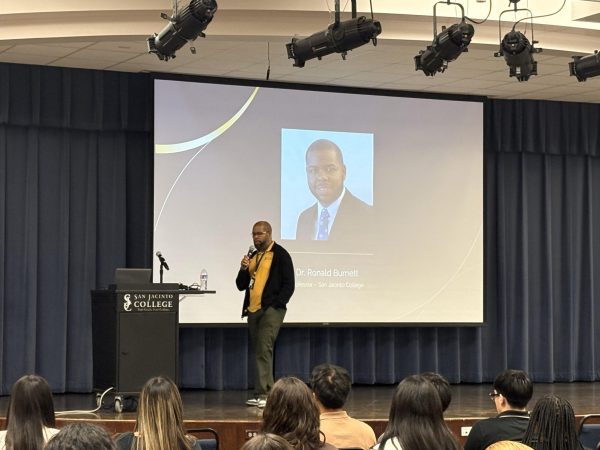
Despite the ban on organ sales in the United States, the demand for organs continues to grow. Legally available organs meet only about 10% of global demand, with a new patient added to the transplant waiting list every 10 minutes in the U.S. This shortage contributes to organ trafficking, which generates an estimated $1.5 billion annually from illegal transplants.
“Traffickers often target vulnerable individuals, especially those facing poverty or lack of resources,” says Burnett, “prevention starts with awareness, education, and community support systems.”
Victims are frequently exploited through deceptive contracts or coercion, usually by organized criminal networks operating internationally.
“This is about giving a voice to those who often go unheard,” the event description stated, referring to the “silent victims” affected worldwide.
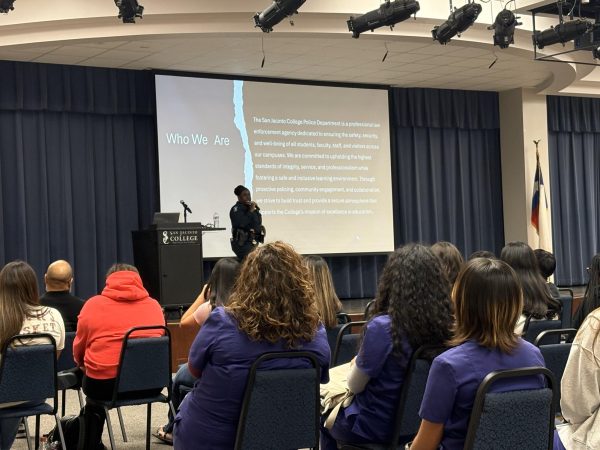
The event was open to students, faculty, and the public. Organizers also shared information about future training sessions led by Huynh and the CGOT team, which will be offered to law enforcement, community members, and students across the country.
“The goal is to empower individuals with knowledge so they can recognize warning signs and take action,” says Huynh, “anyone can be part of the solution by staying informed and spreading awareness.”
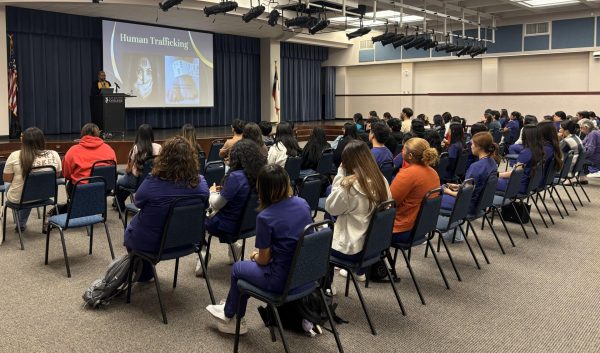
Organizers hoped the event would inspire attendees to not only recognize signs of trafficking but also support efforts to combat this form of human exploitation.
For more information, please visit the Combatting Global Organ Trafficking at https://www.cgot.org/